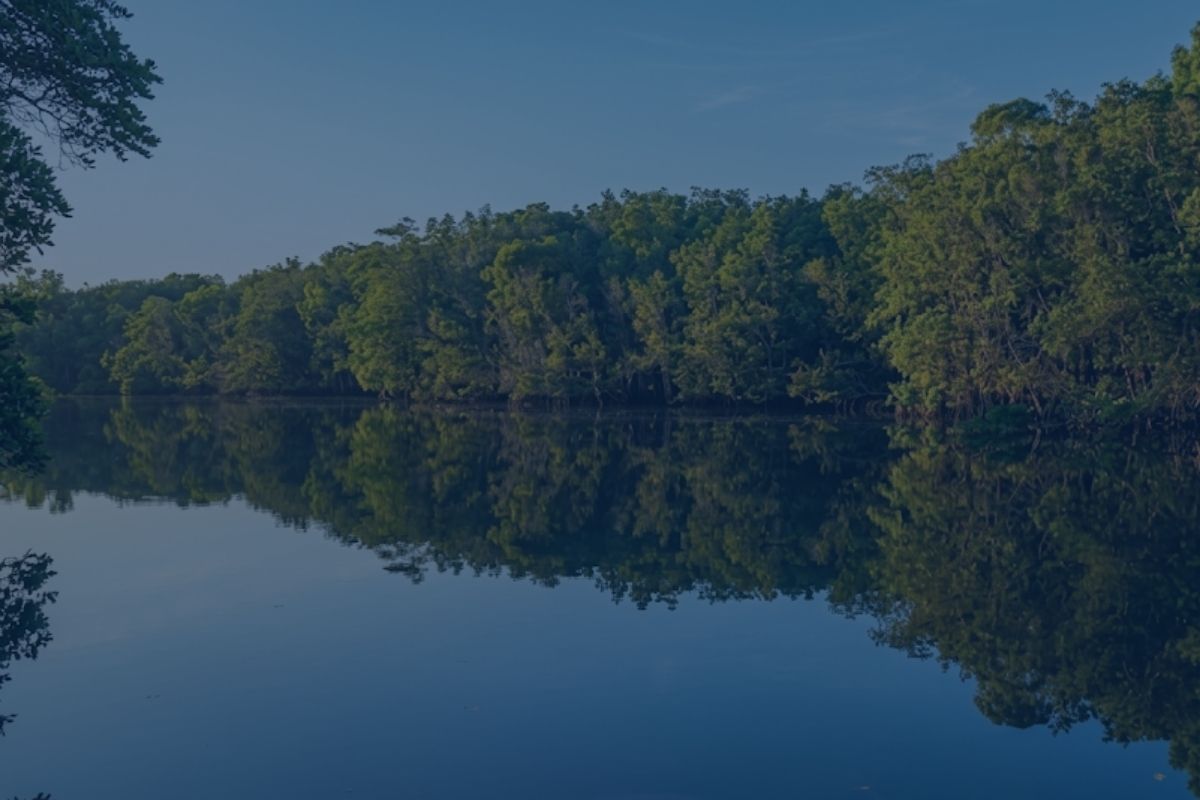
Senggarang Village is a Chinese fishing settlement built on stilts over the water in Tanjung Pinang, Bintan Island. It was first settled by Teochew immigrants in the 1700s and holds some of the region’s oldest Chinese temples.
The Banyan Tree Temple, built in 1811, is located within the village and known for its ancient roots wrapped completely around the old brick walls.
The village is reached by a 70-minute drive from the Bintan Resorts area, or a short pompong (water taxi) ride of about 15 minutes from Tanjung Pinang terminal.
Trips are usually combined with a visit to nearby Pulau Penyengat, since both stops sit along the same water route.
Two temples anchor the village: the Lau Ya Keng temple complex and the Banyan Tree Temple, about 200 meters apart and reachable on foot.
The Banyan Tree Temple is dedicated to Tao Chai Kong and remains one of the most photographed spots on the island, with its roots grown fully over the temple’s original brick structure.
Beyond the temples, the village itself is worth the walk. Wooden houses line narrow paths above the water, many still home to descendants of the original settlers.
Street stalls along the way sell keropok, prawn fritters, and other local snacks.
Visitors should bring mosquito repellent, as the area near the water can get buggy, especially at dusk.
Weekdays tend to be quieter than weekends, and the walk toward the jetty offers a clear view across the water to Tanjung Pinang and Penyengat Island.